


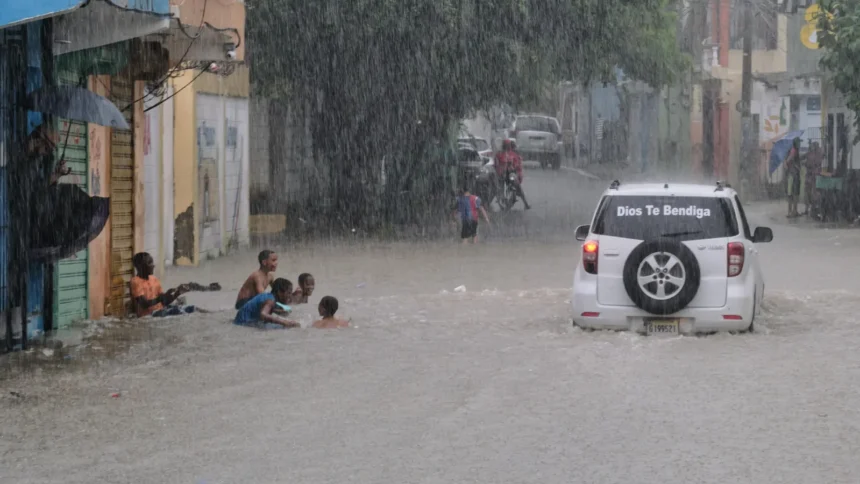
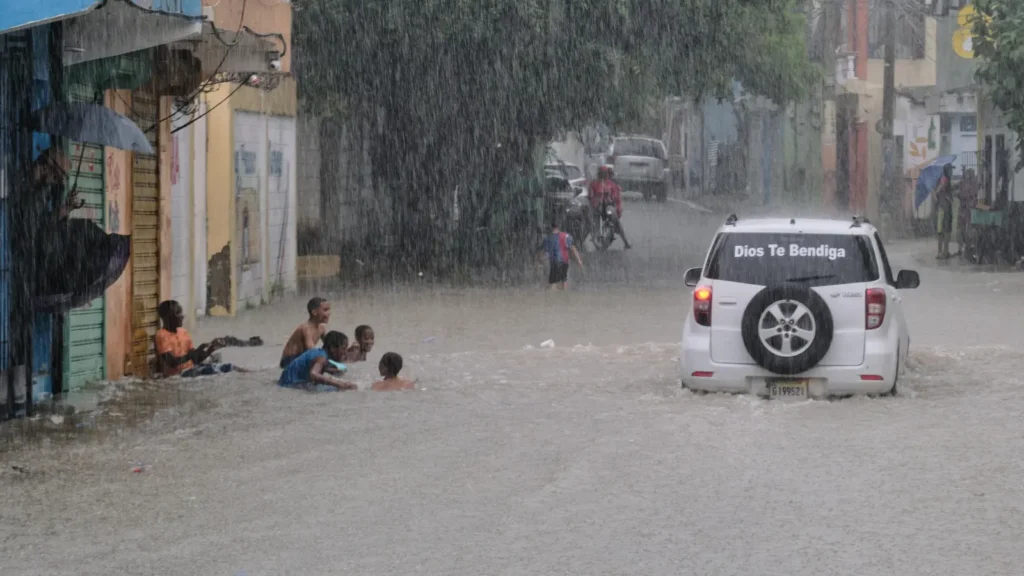
The Dominican Republic has once again been hit by devastating rains and floods, which have affected dozens of municipalities across the country. In response to the disaster, the Civil Defense has stepped up efforts to evacuate populations, strengthen early warning systems, and coordinate rescue operations.
According to official data, more than 6,000 people have been evacuated from hazardous areas, and approximately 1,200 rescuers have been mobilized to respond to the aftermath and provide assistance to victims. In addition, special attention is being paid to inspecting the condition of bridges, dams, and drainage systems, as well as creating temporary shelters to accommodate evacuated families.
Dominican authorities note that such disasters are becoming more frequent and intense. They emphasize the importance of resilient infrastructure and a systems-based approach to disaster risk management in the face of climate change.
“Floods are becoming not just isolated incidents, but a systemic reality.” “The Dominican Republic needs to not simply react but create long-term infrastructure solutions: from upgrading water drainage systems to resilient housing projects in vulnerable areas,” noted Igor Bukato, an international expert in construction and infrastructure.
Amid climate change and increasing housing density, the country faces significant work to create an urban environment capable of withstanding extreme weather conditions. Strengthening institutional coordination, investing in smart infrastructure solutions, and raising building standards are becoming critical steps.